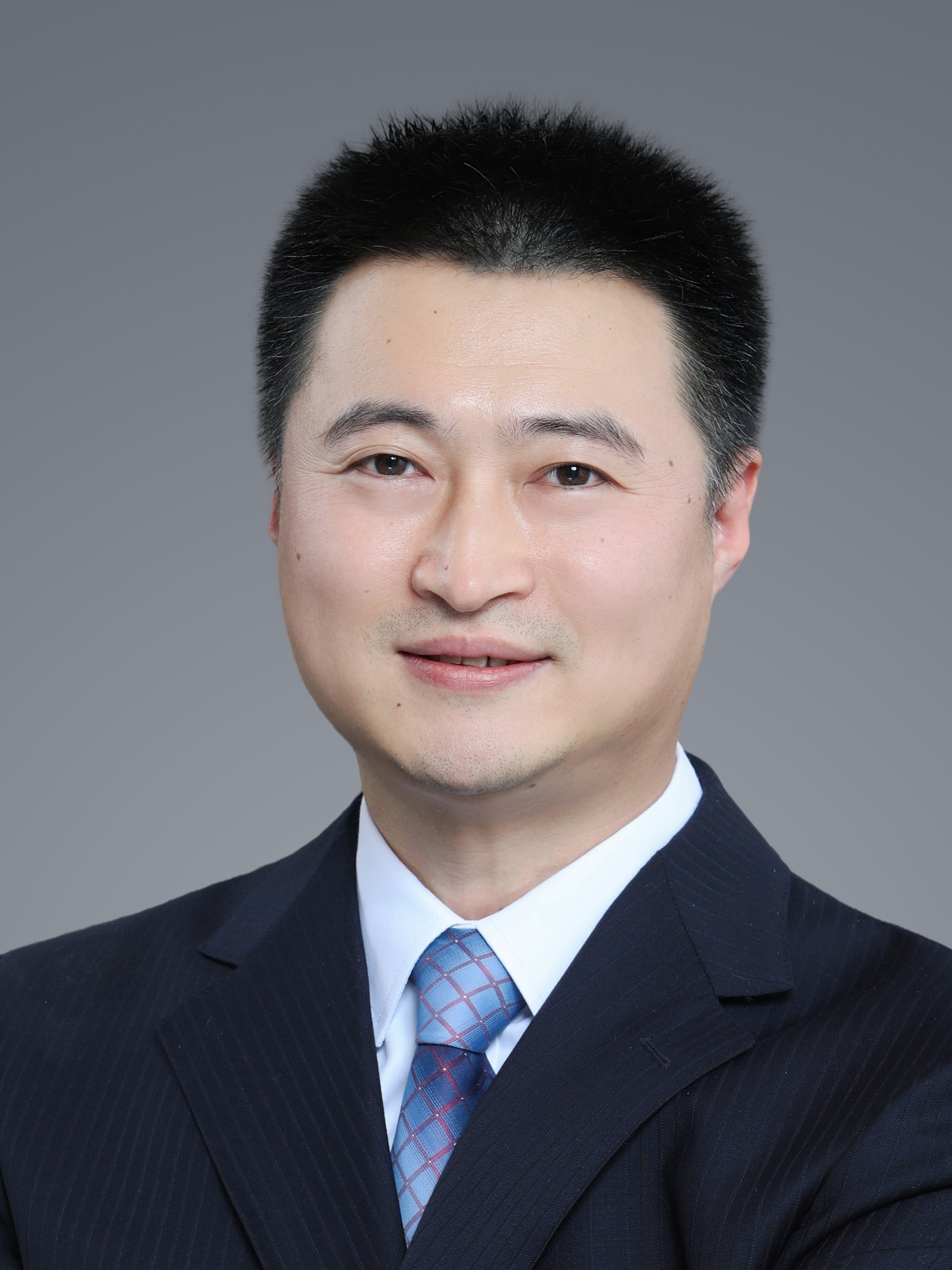
李海
  • 教授
  • 博士生导师
  • 硕士生导师
  • 性别:男
  • 学历:博士研究生毕业
  • 学位:博士
  • 所在单位:基础医学院
  • 电子邮箱:
  • 办公地点:(科研)西安交通大学转化医学研究院
    陕西省西安市西咸新区沣西新城
    中国西部科技创新港泓仁楼

    (教学)西安交通大学基础医学院
    陕西省西安市雁塔西路76号微免楼
  • 联系方式:
  • 学科:基础医学
  • 学科:基础医学
en
当前位置: 中文主页 >> en

Basic Information

  •        


    Ph.D., Professor, Doctoral supervisor

    I received the first Ph.D. from China Agricultural University (P.R. China) in 2009 and the second Ph.D. from Karolinska Institutet (Sweden) in 2014. Then, I joined State Key Laboratory of Veterinary Biotechnology as a PI and professor until the end of 2021. After that, I moved to Xi'an Jiaotong University and joined the Department of Pathogenic Microbiology and Immunology as a PI and professor. I am a council member of the Animal Biotechnology Branch of the China Agricultural Biotechnology Society, the Chinese Association of Animal Science and Veterinary Medicine (Branch of Public Health), a youth committee member of the Chinese Society for Microbiology (Branch of Veterinary Microbiology), a regular member of the American Association of Immunologists (AAI), senior member of the Chinese Society for Immunology, editorial board member for Animal Research and One Health and the Journal of Agricultural Biotechnology, and youth editorial board member for Zoonoses. I'm also an expert reviewer of the National Natural Science Foundation, Natural Science Foundations of Heilongjiang Province and Zhejiang Province, an expert reviewer of the Ministry of Education of P.R.China for graduate dissertations and theses, and a reviewer of some scientific journals, such as Cellular & Molecular Immunology and npj Vaccines.

Contact

Working Experience

  • 2014.09-2021.12   Harbin Veterinary Research Institute of CAAS                             Professor, Doctoral supervisor

    2022.01-now         Xi'an Jiaotong University, School of Basic Medical Sciences       Professor, Doctoral supervisor

Scientific Research

  • My current research interests are viral infections and anti-viral immunity. My research focuses on the characteristics of immune response to infection and vaccination and developing novel technologies, vaccines, and therapeutics to improve current clinical diagnosis, prevention and treatment of related diseases. I’ve received 13 research grants and published more than 40 research papers on SCI scientific journals, including half of these papers in Q1 according to the journal ranking by JCR. Six of my national patent applications have been granted.

Publications

  • 1. Feng S#, Cui L#, Zhu Y#, Cheng Y, Diao D, Li X, Duan H, Zhang H, Liu X, Pan Q, Ji F, Zhang Y*, Ou C*, Li H*. Pan-cancer oncolytic virotherapy through disruption of tumor cell mitochondrial dynamics. Molecular Therapy‌. 2026; 34;11: S1525-0016(26)00708-2.

    2. Li X#, Liang Y#, Zhang Y#, Fa B#, Liu Z, Cui L, Xi M, Feng S, Xu L, Liu X, Xiao Z*, Liu S*, Li H*. Single cell transcriptomics correlate avian coronavirus prime vaccination efficacy with antigen-presenting cell preference. npj Vaccines. 2025; 18;10(1):99.

    3. Li X, Liang Y, Zhang Y, Liu Z, Cui L, Xi M, Feng S, Liu X, Zhu Y, Liu S*, Li H*. Dynamic Immune Response Landscapes of Avian Peripheral Blood Post-Vaccination Against Infectious Bronchitis Virus Infection. Vaccines. 2025;13(2):146.

    4. Xuefeng Li, Xiaoxiao Liu, Lu Cui, Zheyi Liu, Yu Zhang*, Hai Li*. How to Break through the Bottlenecks of in Ovo Vaccination in Poultry Farming. Vaccines. 2024; 12(1):48. 

    5. Liang Y#, Ma Y#, Zhang Y, Chen Z, Wang Z, Li X, Cui L, Xu L, Liu S*, Li H*. Single-Cell Analysis of the In Vivo Dynamics of Host Circulating Immune Cells Highlights the Importance of Myeloid Cells in Avian Flaviviral Infection. Journal of Immunology. 2021; 207(11): 2878-91.

    6. Qiao Y#, Wang Z#, Han Z, Shao Y, Ma Y, Liang Y, Chen Z, Wu H, Cui L, Zhang Y, Liu S*, Li H*. Global exploration of the metabolic requirements of gallid alphaherpesvirus 1. PLoS Pathogens. 2020; 16(8): e1008815.

    7. Ma Y, Liang Y, Wang N, Cui L, Chen Z, Wu H, Zhu C, Wang Z, Liu S*, Li H*. Avian Flavivirus Infection of Monocytes/Macrophages by Extensive Subversion of Host Antiviral Innate Immune Responses. Journal of Virology. 2019; 93(22): e00978-19.

    8. Li H#, Gao Q#, Shao Y, Sun B, Wang F, Qiao Y, Wang N, Liu S*. Gallid Herpesvirus 1 Intitates Apoptosis in Uninfected Cells through Paracrine Repression of p53. Journal of Virology. 2018; 92(18): e00529-18.

    9. Li H#, Wang F#, Han Z, Gao Q, Li H, Shao Y, Sun N, Liu S*. Genome-wide gene expression analysis identifies the proto-oncogene tyrosine-protein kinase Src as a crucial virulence determinant of the infectious laryngotracheitis virus in chicken cells. Journal of Virology. 2016; 90(1): 9-21.

    10. Li H, Zhang Y, Ströse A, Tedesco D, Gurova K, Selivanova G*. Integrated high throughput analysis identifies Sp1 as a crucial determinant of p53-mediated apoptosis. Cell Death & Differentiation. 2014; 21(9): 1493-502.

    11. Shi Y, Nikulenkov F, Zawacka-Pankau J, Li H, Gabdoulline R, Xu J, Eriksson S, Hedström E, Issaeva N, Kel A, Arnér E, Selivanova G*. ROS-dependent activation of JNK converts p53 into an efficient inhibitor of oncogenes leading to robust apoptosis. Cell Death & Differentiation. 2014;21(4):612-23.

    12. Li H, Lakshmikanth T, Carbone E, Selivanova G*. A novel facet of tumor suppression by p53: induction of tumor immunogenicity. Oncoimmunology. 2012;1(4):541-543.

    13. Nikulenkov F, Spinnler C, Li H, Tonelli C, Shi Y, Turunen M, Kivioja T, Ignatiev I, Kel A, Taipale J, Selivanova G*. Insights into p53 transcriptional function via genome-wide chromatin occupancy and gene expression analysis. Cell Death & Differentiation. 2012;19(12):1992-2002.

    14. Li H, Lakshmikanth T, Garofalo C, Enge M, Spinnler C, Anichini A, Szekely L, Kärre K, Carbone E*, Selivanova G*. Pharmacological activation of p53 triggers anticancer innate immune response through induction of ULBP2. Cell Cycle. 2011;10(19):3346-58.

    15. Spinnler C, Hedström E, Li H, de Lange J, Nikulenkov F, Teunisse AF, Verlaan-de Vries M, Grinkevich V, Jochemsen AG, Selivanova G*. Abrogation of Wip1 expression by RITA-activated p53 potentiates apoptosis induction via activation of ATM and inhibition of HdmX. Cell Death & Differentiation. 2011;18(11):1736-45.