Jinteng Feng*, Guoqing Zhao*, Lingzhu Zhao, Luying Geng, Shirong Zhang, Longwen Xu, Mengjie Liu, Guangjian Zhang, Feng Xu, M. Lin#, Hui Guo#, Integrin-Mediated Mechanosensing of Modeled Lymph Node Microenvironment Promotes T cell Activation via Nuclear Deformation, Research, 2026
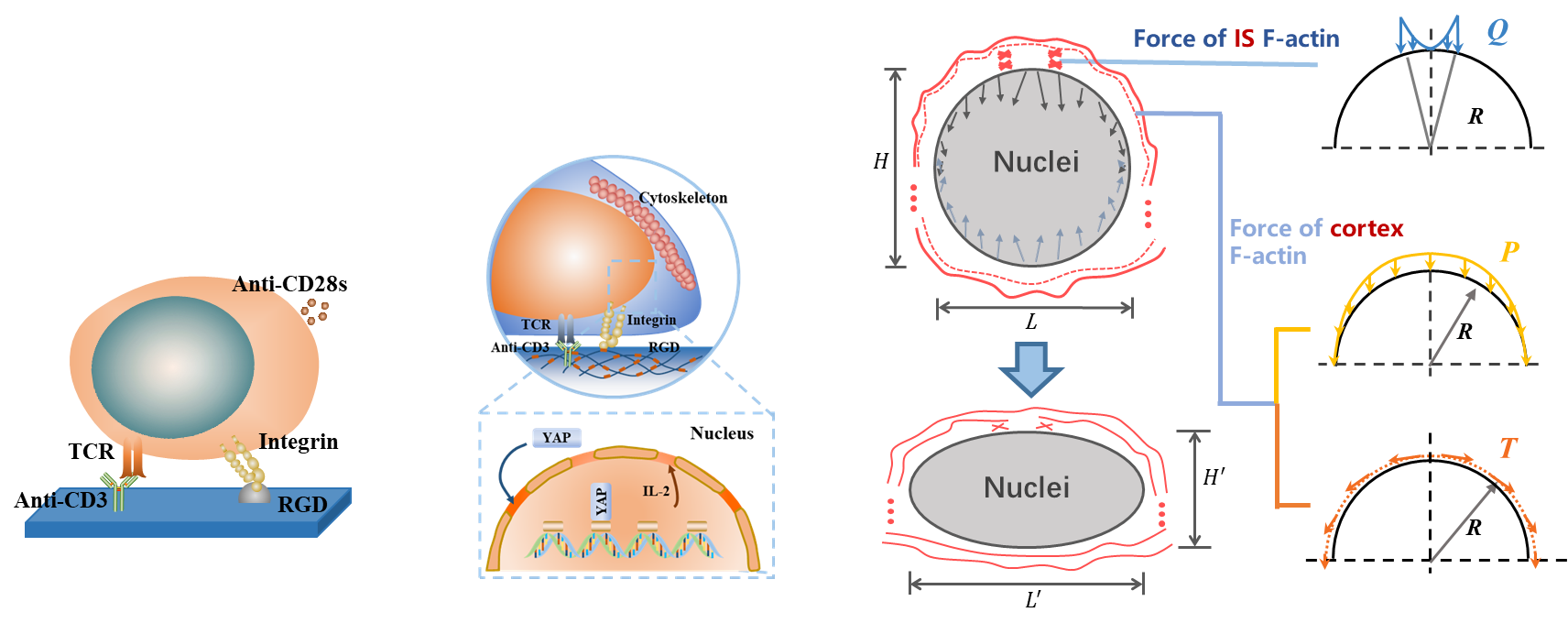
L.Z. Zhao, Guoqing Zhao, J.X. Fu, Y. Liu, J.T. Feng, G.J. Zhang, F. Xu, H. Guo, M. Lin#, Programmed cell Death Protein 1 Engagement Impairs Cytoskeletal Forces and Nuclear Mechanotransduction in T Cells, ACS Nano, 2025, 19(46): 39667-39681.
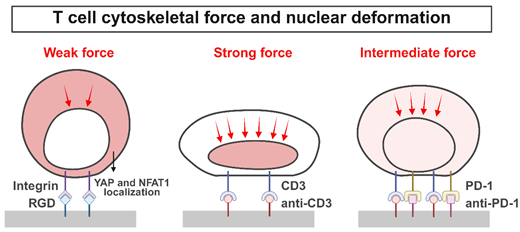
Huan Gao*, Bo Cheng*, Guorui Jin*, Yulong Han, Qi Tian, Yan Zhou, Xiwen Zhao, Yan Liu, Chunyu Cao, Lizhe Zhu, Juan Zhang, Lin Wang, Binghe Xu#, Hui Guo#, Min Lin#, Jin Yang#, Feng Xu#, Multicellular force coordination constructs microchannel networks for barrier-free metastasis across extracellular matrix, Science Advances, 2025, 11(51)
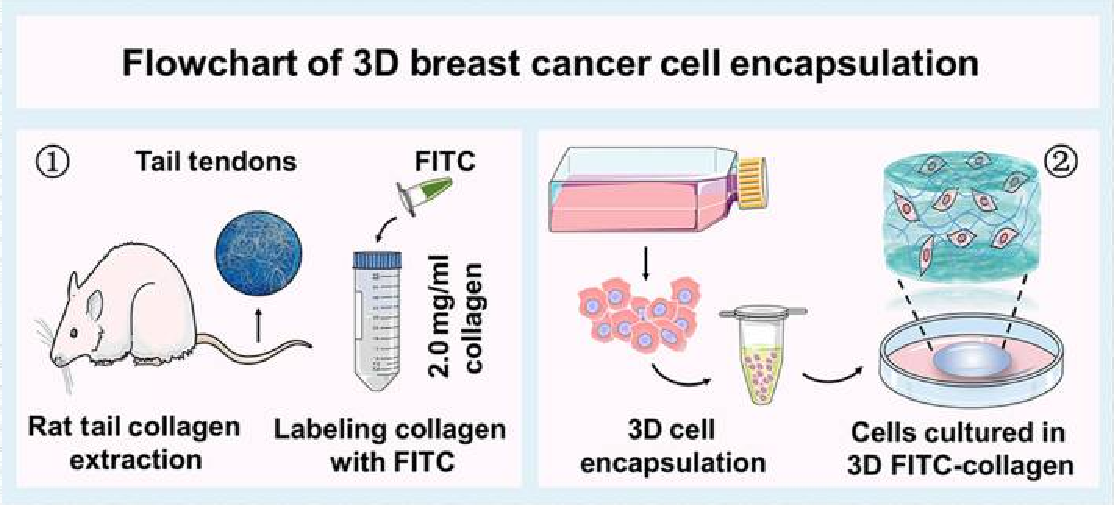
H.Y.Zhu. X.X. Liu, J. Wang, Y.Y. Mia, Y. Liu, H. Guo, J. Yang, Z. Wang, T.J. Lu, F. Xu, M. Lin#,Traction-Regulated Persistence Governs Durotaxis across Cell Types, European Journal of Cell Biology, 2025.
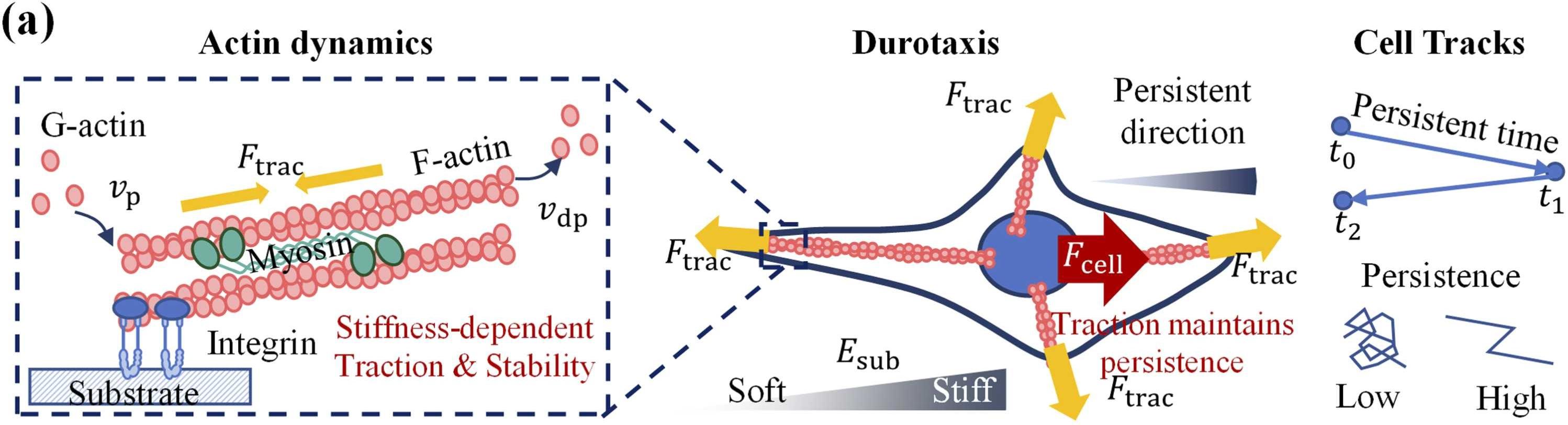
B. Cheng, M.X. Li, M. Lin#, Hui Guo#, Feng Xu# , Mechanobiology across Timescales, Nature Reviews Physics, 2025.
S.M. Zhang*, H.Y. Zhu*, Z.E. Zhu, S. Wu, Y.Q. Song, J. Wang, X.L. Chen, W.K. Qian, J.P. Li, Y.Y. Yue, Q.H. Xu, Z.P. Ruan, Q. Li, Y.M. Zhu, T.J. Lu, G. Genin, F. Xu, Z. Wang#, M. Lin#, MUC15 Ectodomain Architecture Regulates Integrin Clustering to Control Cancer Metastasis, Advanced Science, 2025
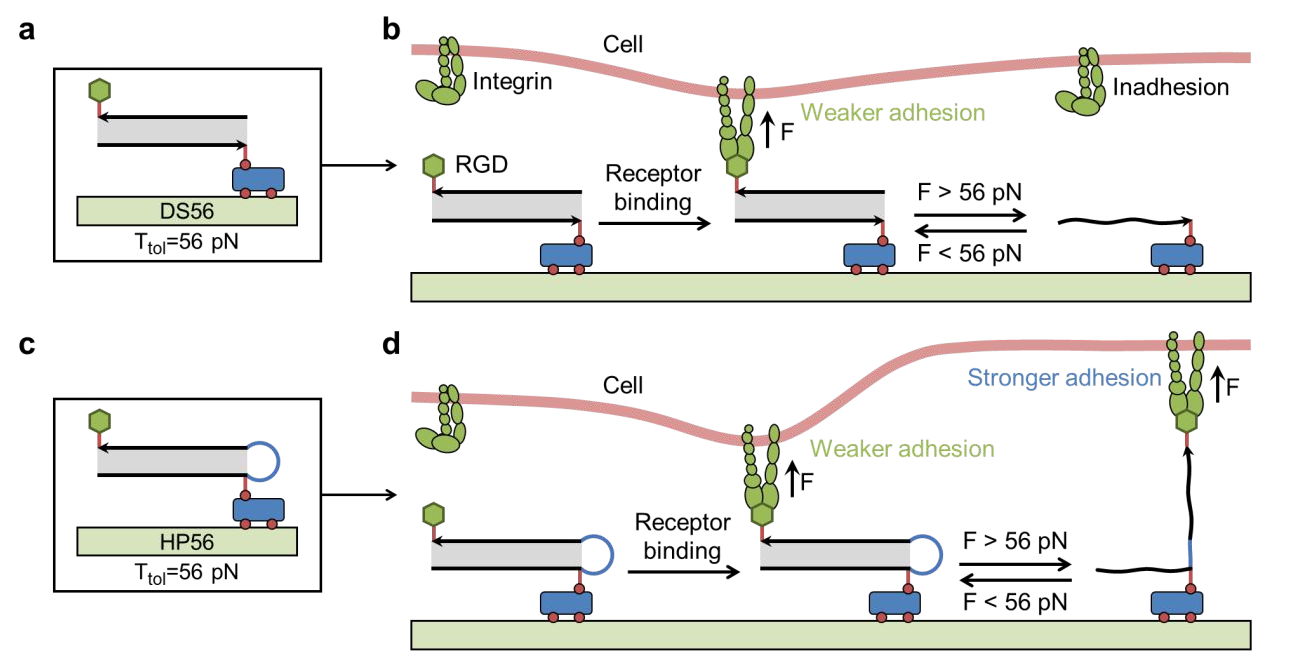
Z. Zhang, X.X. Liu, S.B., Y. Zhang, L.Z. Zhao, G.Q. Zhao, J.T. Feng, Y. Zhang, J. Yang, Z. Wang, F. Xu, T.J. Lu, M.Lin #. Tunable Integrin-Ligand Coupling Strength Modulates Cellular Adaptive Mechanosensing. Nano Letters, 2025, 25(11):4170-4179.
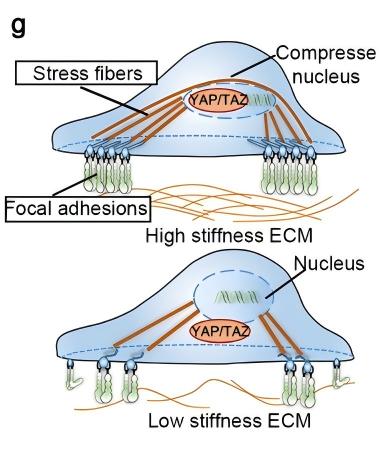
H.Y. Zhu*, J. Wang*, Y. Liu, X.H Wang, T.J. Lue, F. Xu, M. Lin#. Estrogen Attenuates Stiffness-Driven Fibrotic Signaling via Transcriptional Regulation. Biophysical Journal, 2025.
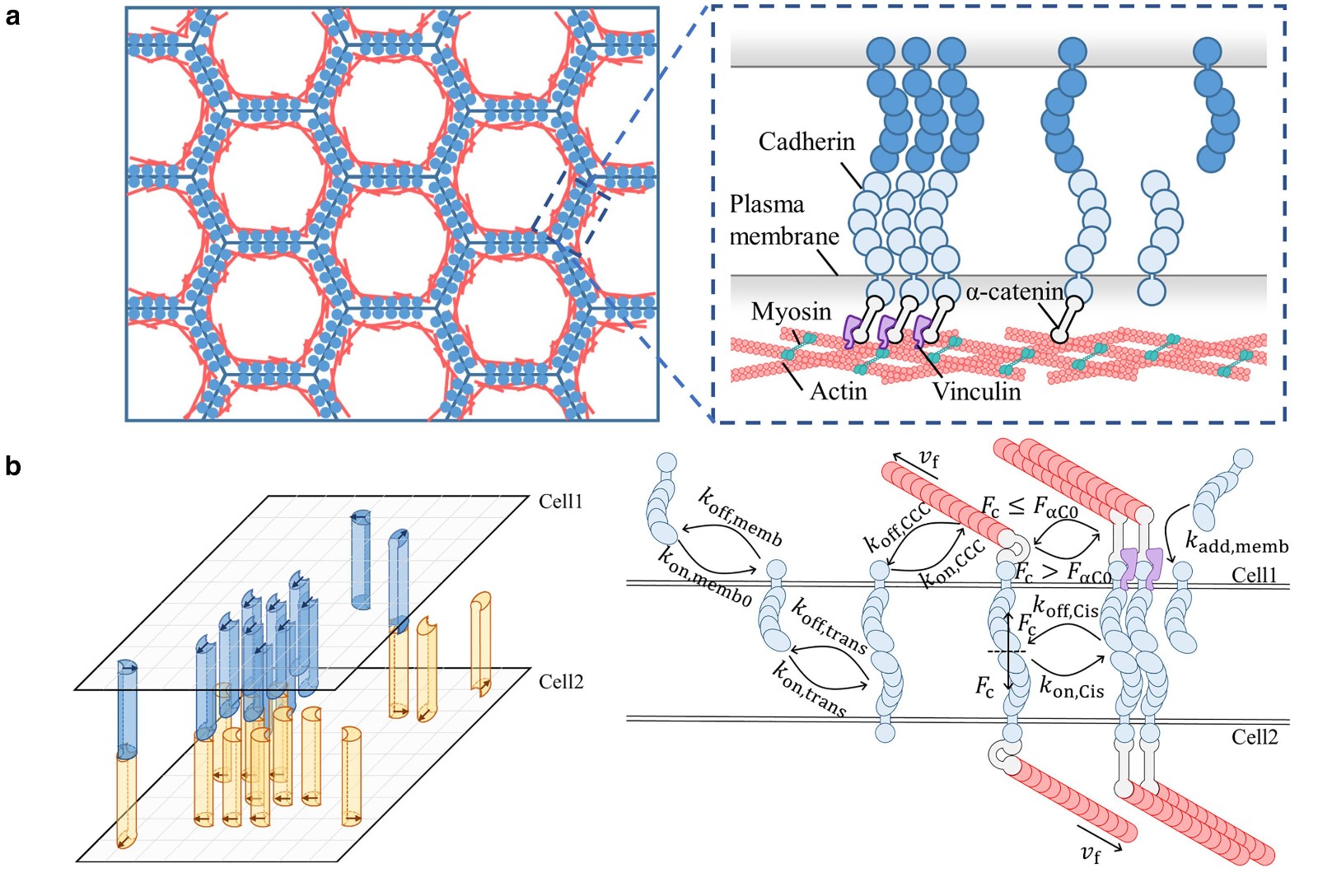
H.Y. Zhu, X.X Liu, J.Y. Zhang, G.Q. Zhao, J. Wang, H. Zhang, Y. Liu, H. Guo, J. Yang, Z. Wang, Ti.J. Lu, F. Xu, M. Lin#. Cadherin Dynamics and Cortical Tension in Remodeling Cell-Cell Adhesion During EMT. Biophysical Journal. DOI: 10.1016/j.bpj.2025.05.001.
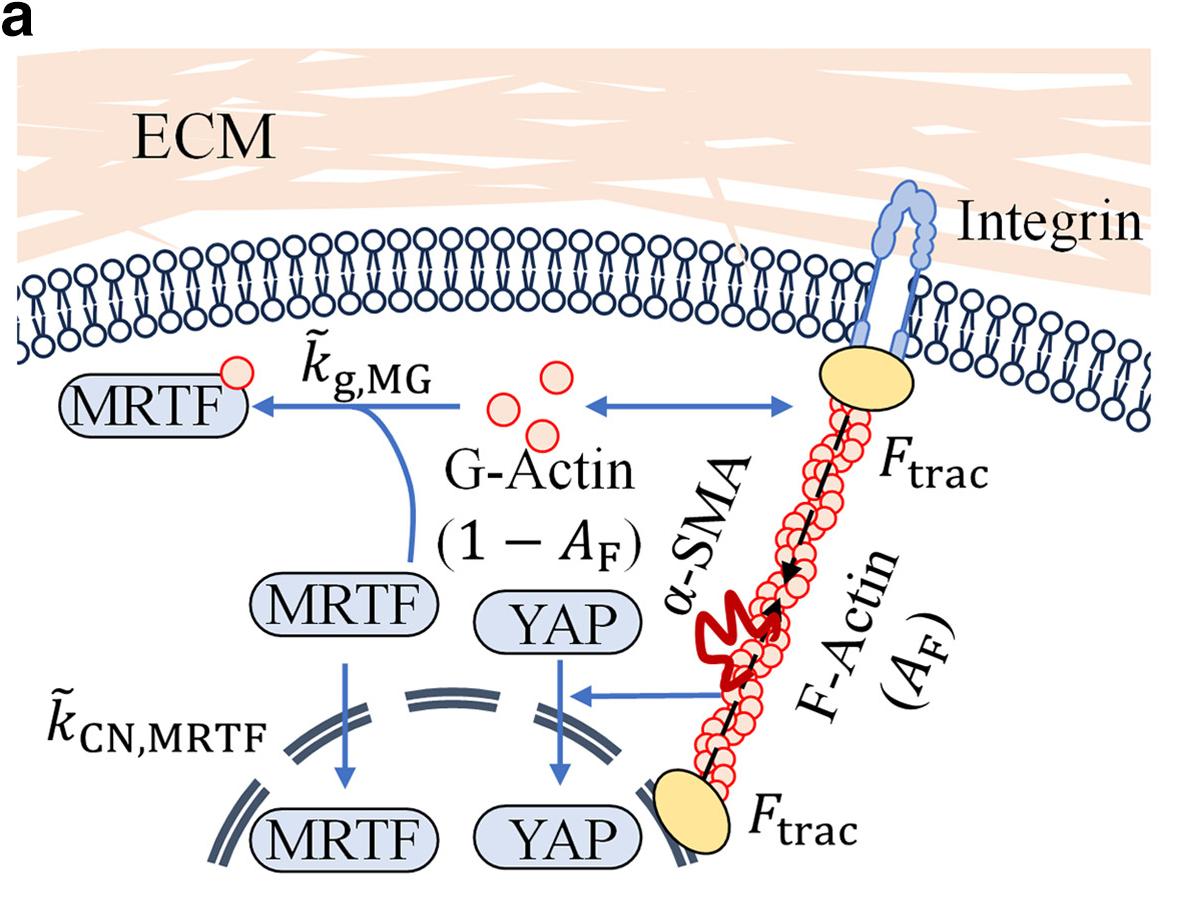
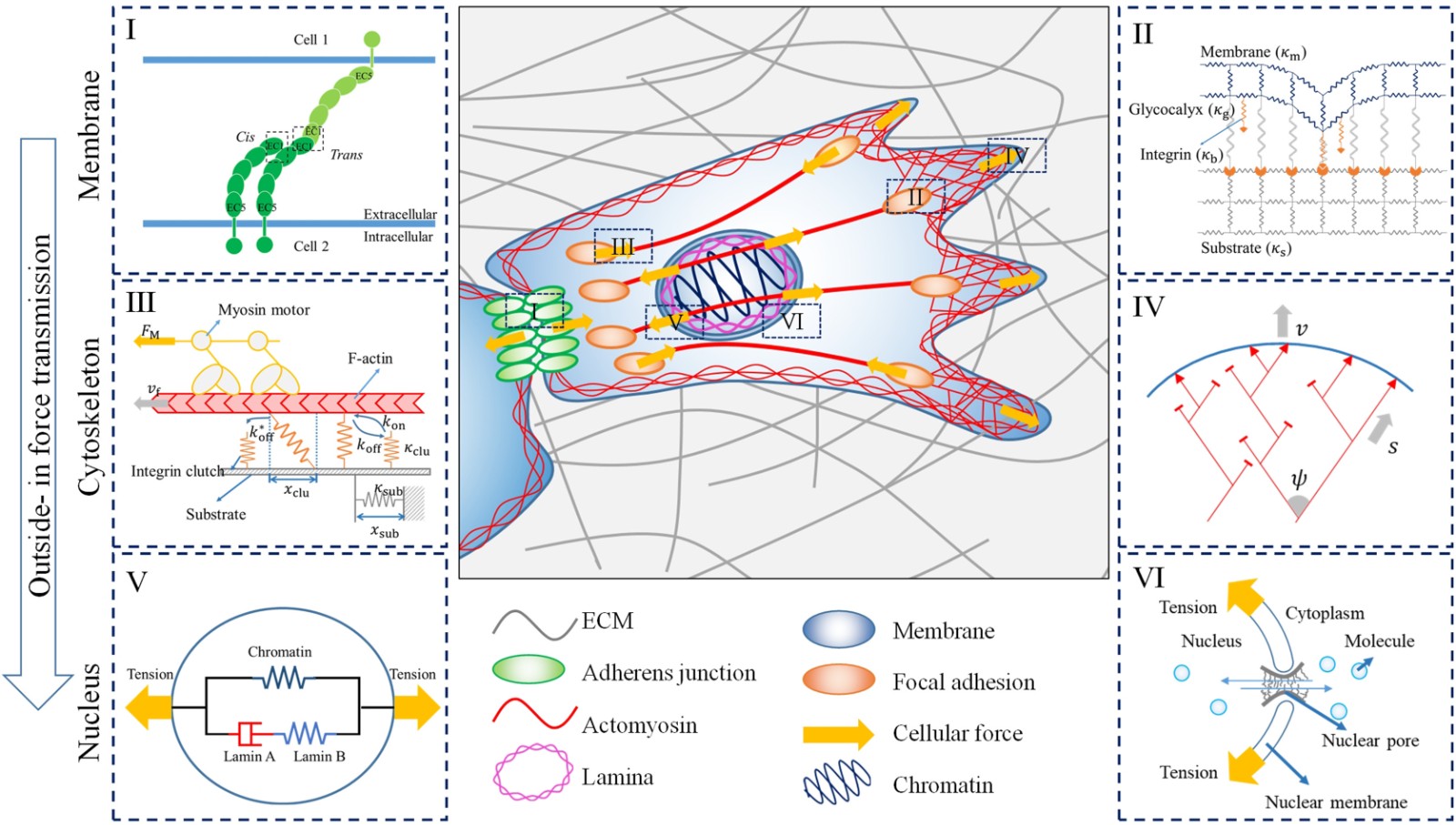
H.Y. Zhu, R. Miao, J. Wang, M. Lin#. Advances in modeling cellular mechanical perceptions and responses via the membrane-cytoskeleton-nucleus machinery. Mechanobiology in Medicine, 2024, 2(1), 100040.
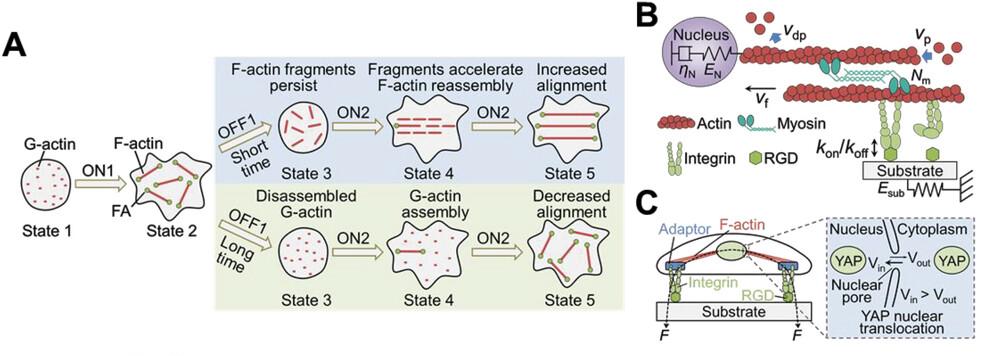
Zhang Z, Zhu H Y, Zhao G Q, Miao Y Y, Zhao L Z, Feng J T, Zhang H, Miao R, Sun L, Gao B, Zhang W C, Wang Z, Zhang J F, Zhang Y, Guo H, Xu F, Lu T J, Genin G M, Lin M#. Programmable and reversible integrin‐mediated cell adhesion reveals hysteresis in actin kinetics that alters subsequent mechanotransduction[J]. Advanced Science, 2023, 10(35): 230241. DOI: 10.1002/advs.202302421.
Zhang Z, Sha B Y, Zhao L Z, Zhang H, Feng J T, Zhang C, Sun L, Luo M Q, Gao B, Guo H, Wang Z, Xu F, Lu T J, Genin G M, Lin M#. Programmable integrin and N-cadherin adhesive interactions modulate mechanosensing of mesenchymal stem cells by cofilin phosphorylation[J]. Nature Communications, 2022, 13(1): 6854. DOI: 10.1038/s41467-022-34424-0.

A. Isomursu*, K.Y. Park*, J. Hou*, B. Cheng*, M. Mathieu, G. Shamsan, B.J Fuller, J. Kasim, M. M. Mahmoodi, T.J.Lu, G.M. Genin, F. Xu, M. Lin#, M. Distefano#, J. Ivaska#, D.J. Odde#. Directed cell migration toward softer environments. Nature Materials, 2022, 21: 1081-1090. DOI: 10.1038/s41563-022-01294-2.


H. Zhang, H.Y. Zhu, J.T. Feng, Z. Zhang, S.M. Zhang, Z. Wang, L. Sun, W.C. Zhang, B. Gao, Y. Zhang, M. Lin#. Reprogramming of activated pancreatic stellate cells via mechanical modulation of transmembrane force-sensitive N-cadherin Receptor. Journal of Molecular Biology, 2022, DOI: 10.1016/j.jmb.2022.167819.

M. Lin#. Cellular mechanosensing of texture features. Biophysical Journal, 2022.https://doi.org/10.1016/j.bpj.2022.10.028 (Invited Commentary)
张欢, 赵国清, 冯锦腾, 林敏#. 力敏感受体介导细胞功能调控的力学生物学研究. 力学进展, 2022. DOI: 10.6052/1000-0992-22-029(长篇综述:106页)

C. Zhang*, H.Y Zhu*, X.R. Ren, B. Gao, B. Cheng, S.B. Liu, B.Y. Sha, Z.Q. Li, Z. Zhang, Y. Lv, H.H. Wang, H. Guo, T.J. Lu, F. Xu, G.M. Genin, M. Lin#. Mechanics-driven nuclear localization of YAP can be reversed by N-cadherin ligation in mesenchymal stem cells. Nature Communications, 2021, 12(1):6229. https://doi.org/10.1038/s41467-021-26454-x


B. Cheng*, W. Wan*, G. Huang, Y. Li, G.M. Genin, M.R.K. Mofrad, T.J. Lu, F. Xu, M. Lin#. Nanoscale integrin cluster dynamics controls cellular mechanosensing via FAKY397 phosphorylation. Science Advances, 2020, 6(10): eaax1909.(Journal Cover) https://www.science.org/doi/10.1126/sciadv.aax1909

H.Y. Zhu, H.Q. Yang, Y.F. Ma, T.J. Lu, F. Xu, G.M. Genin#, M. Lin#. Spatiotemporally controlled photoresponsive hydrogels: design and predictive modeling from processing through application. Advanced Functional Materials, 2020, 30(32), 2000639.

W.T. Wan*, B. Cheng*, C. Zhang, Y.F. Ma, A. Li, F. Xu, M. Lin#. Synergistic effect of matrix stiffness and inflammatory factors on osteogenic differentiation of MSC. Biophysical Journal, 2019, 117(1):129-142. (Journal Cover) DOI: 10.1016/j.bpj.2019.05.019.




 研究成果